
A Real Vendor. A $600,000 Loss.
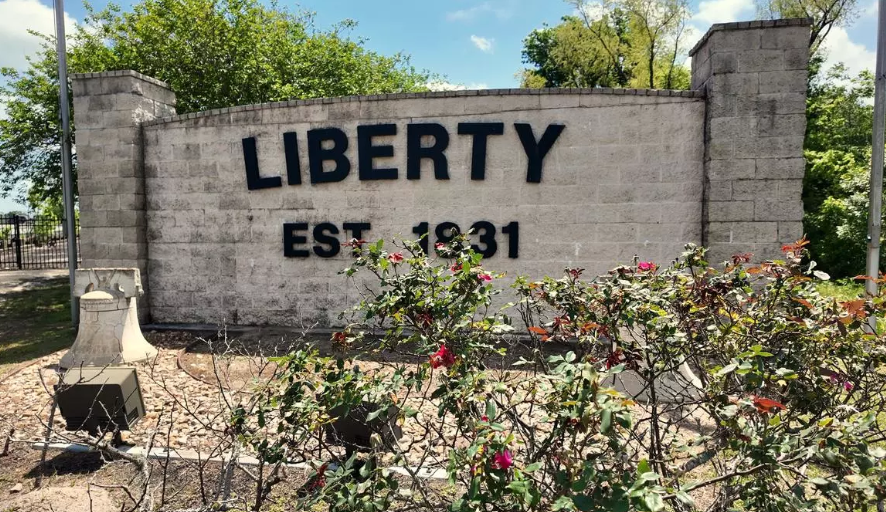
The City of Liberty, Texas, owed a vendor approximately $600,000. When an email arrived requesting payment for that amount, it matched a real obligation. The payment instructions, however, sent the money somewhere else.
The City of Liberty, Texas, owed a vendor approximately $600,000. When an email arrived requesting payment for that amount, it matched a real obligation. The payment instructions, however, sent the money somewhere else.
According to KPRC, someone impersonated the vendor using a lookalike email domain and directed city staff to wire the money to a fraudulent account. The receiving bank later flagged the transfer as potentially fraudulent, but the payment had already gone through.
This wasn’t an unexpected request from an unknown company. The amount matched an actual outstanding debt, giving staff a reason to believe the request was legitimate. City officials also said their internal network was not compromised. The attacker reportedly used an external email domain resembling the vendor’s.
That’s the gap finance teams need to examine. Recognizing a vendor and confirming an amount can establish that a payment is owed. Neither confirms that the money is going to the right account.
The reporting doesn’t detail every control Liberty had in place, so we shouldn’t assume which step failed. But the case is a useful reminder: payment approval and payment verification are different responsibilities.
Conduit helps turn that distinction into technical controls. Our software enforces verification steps, including callbacks and approvals, within a structured workflow. An audit trail gives reviewers visibility into what was checked before funds move. Built-in risk detection helps even teams with established processes spot activity that warrants a closer look.
Verification shouldn’t depend on someone remembering a policy. It should be built into how every wire gets approved and released.
Contact Us

Conduit defends investment managers against wire fraud. Our clients include the most sophisticated managers and companies in the world. We have protected billions and our clients have never lost a dollar to wire fraud.
